
Healthy Aging: What Really Matters
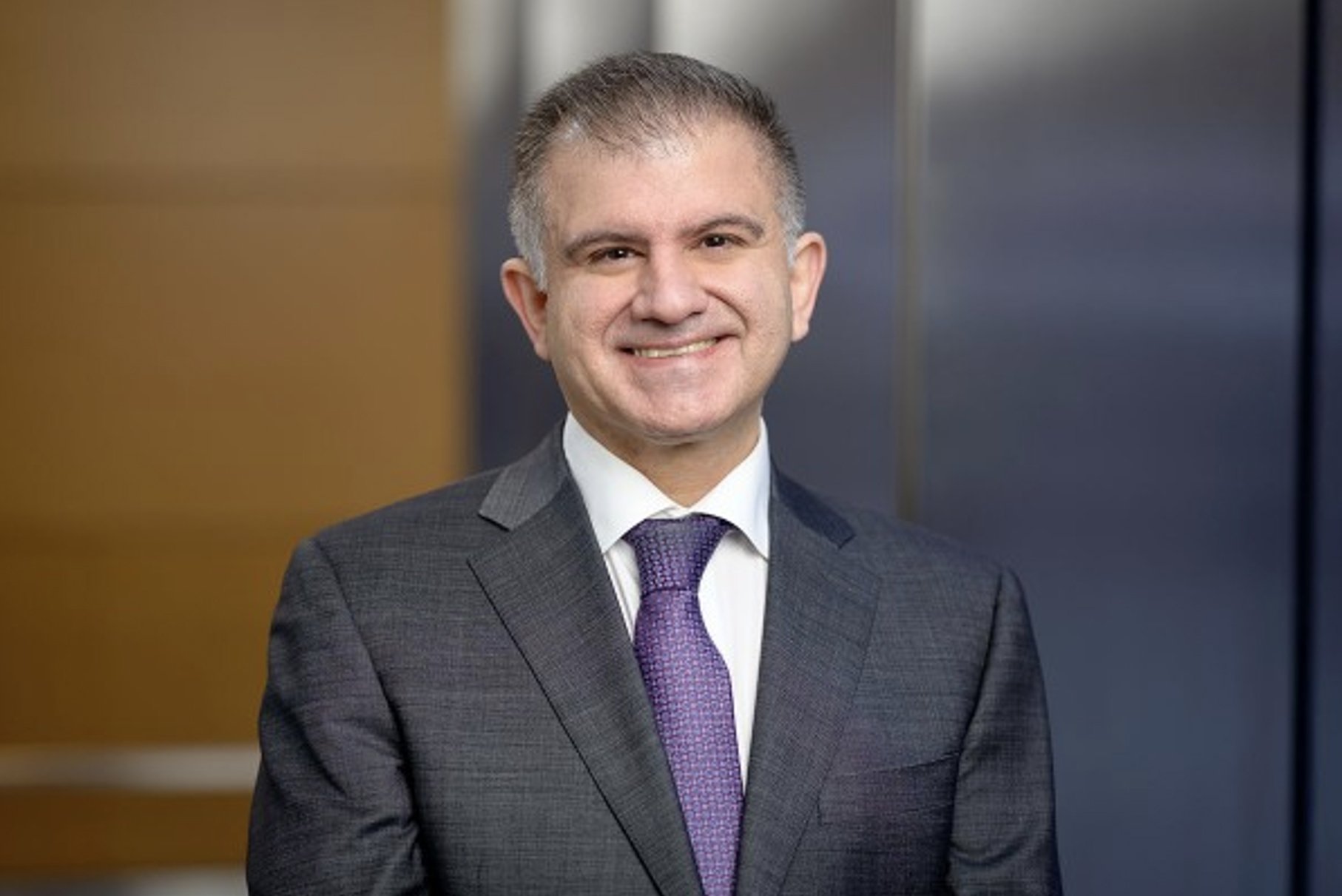
Dr. Armin Shahrokni, MD, MPH
At a Health Advocates educational seminar on January 29, 2026, Dr. Armin Shahrokni of Memorial Sloan Kettering Cancer Center shared practical, evidence-based insights on what it truly means to age well. His message was clear: healthy aging is not about avoiding every illness—it’s about maintaining function, independence, and quality of life.
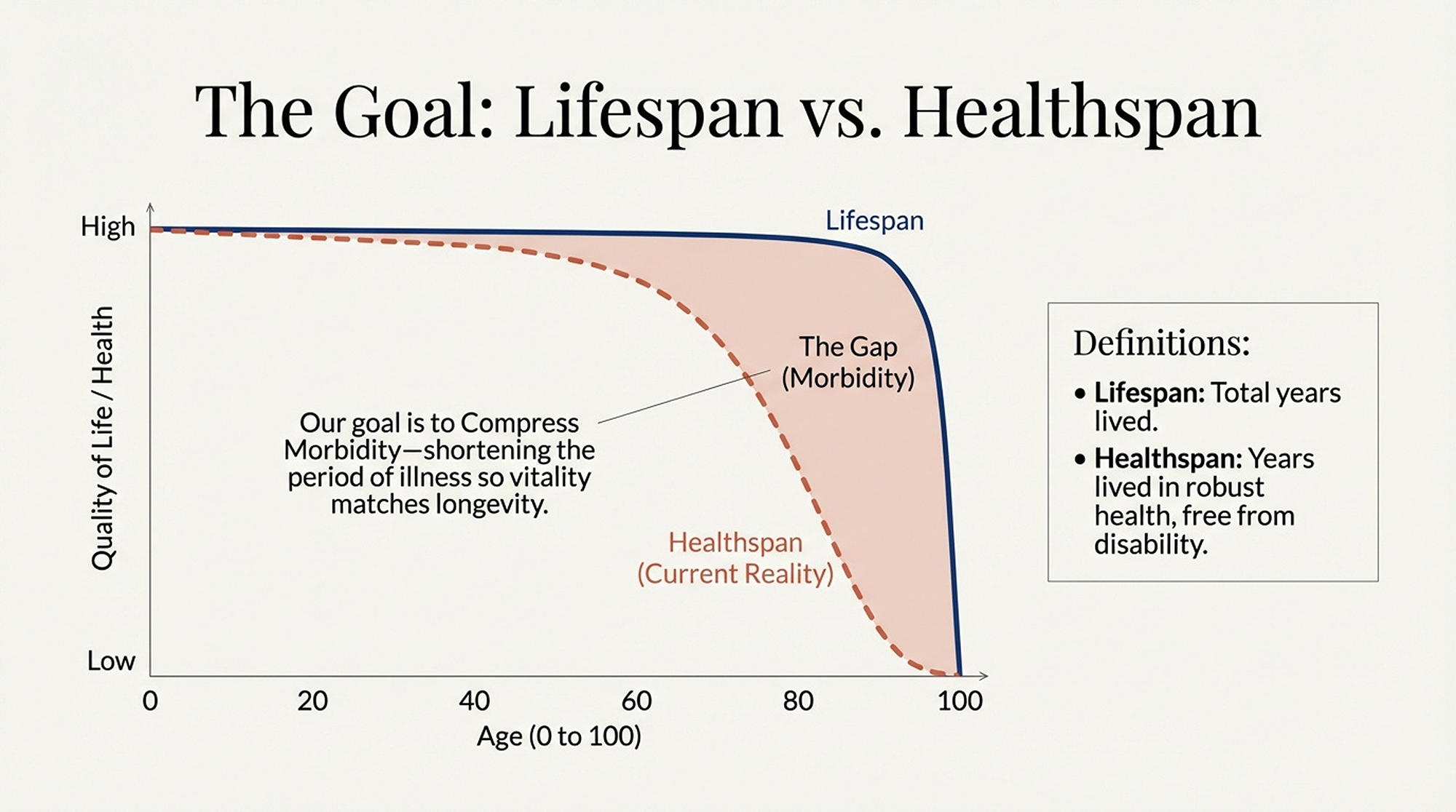
Dr. Shahrokni emphasized the difference between lifespan (how long we live) and healthspan (how well we live). The goal of healthy aging is to maximize the years we can move, think clearly, stay connected, and engage meaningfully in our communities—even when chronic conditions are present.
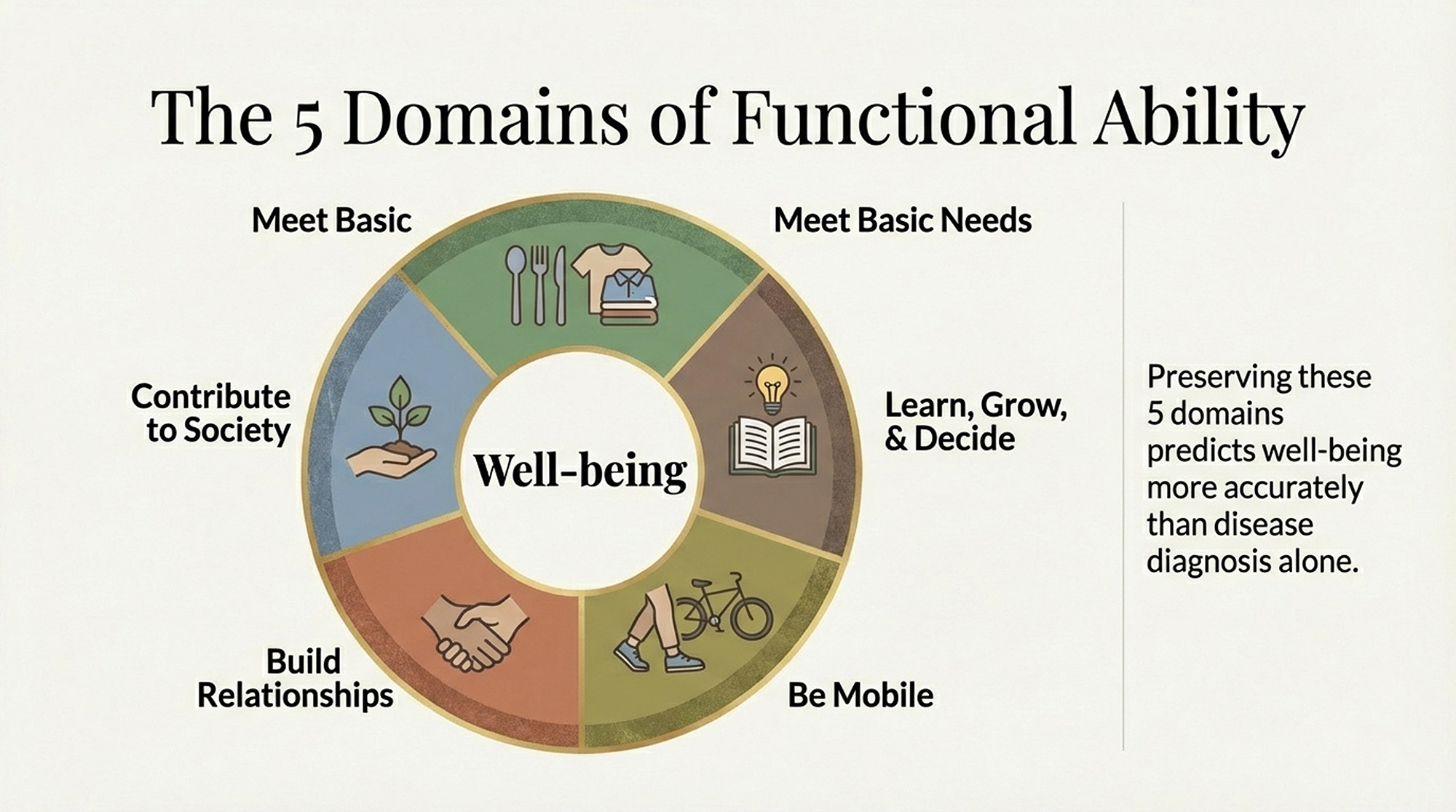
Healthy aging is rooted in functional ability—the capacity to live safely, independently, and with purpose. This includes meeting basic daily needs; staying mentally engaged and able to make decisions; maintaining mobility (with supports like canes or walkers when helpful); nurturing social connections; and finding meaning through contributing to society (such as helping a neighbor or volunteering). Just as important is the balance between a person’s intrinsic capacity (such as physical strength, brain health, and resilience) and their environment. As we age, supportive environments—safe homes, accessible transportation, and strong community networks—play an increasingly critical role in preserving independence and well-being.
At the biological level, aging involves increased inflammation, slower cellular repair, and a weakening immune system—but daily habits can strongly influence these processes. Evidence shows that healthy aging is supported by nutritious, whole-food diets; regular physical activity (including gentle or adaptive movement); quality nighttime sleep; and strong social connections. Unsurprisingly, highly processed foods and poor sleep accelerate aging, while activities like dancing and social engagement offer powerful protective benefits. Together, these lifestyle and environmental factors are central—not optional—to living longer, healthier, and more engaged lives.
In response to participant questions, Dr. Shahrokni shared a couple of notable pointers. Not all health screenings are automatically beneficial as we age; decisions should be individualized and focused on whether the results can meaningfully improve quality of life. Sleep also plays a critical role in healthy aging: while daytime naps can help with energy, they do not replace the restorative benefits of nighttime sleep, when the brain clears toxins and repairs itself.
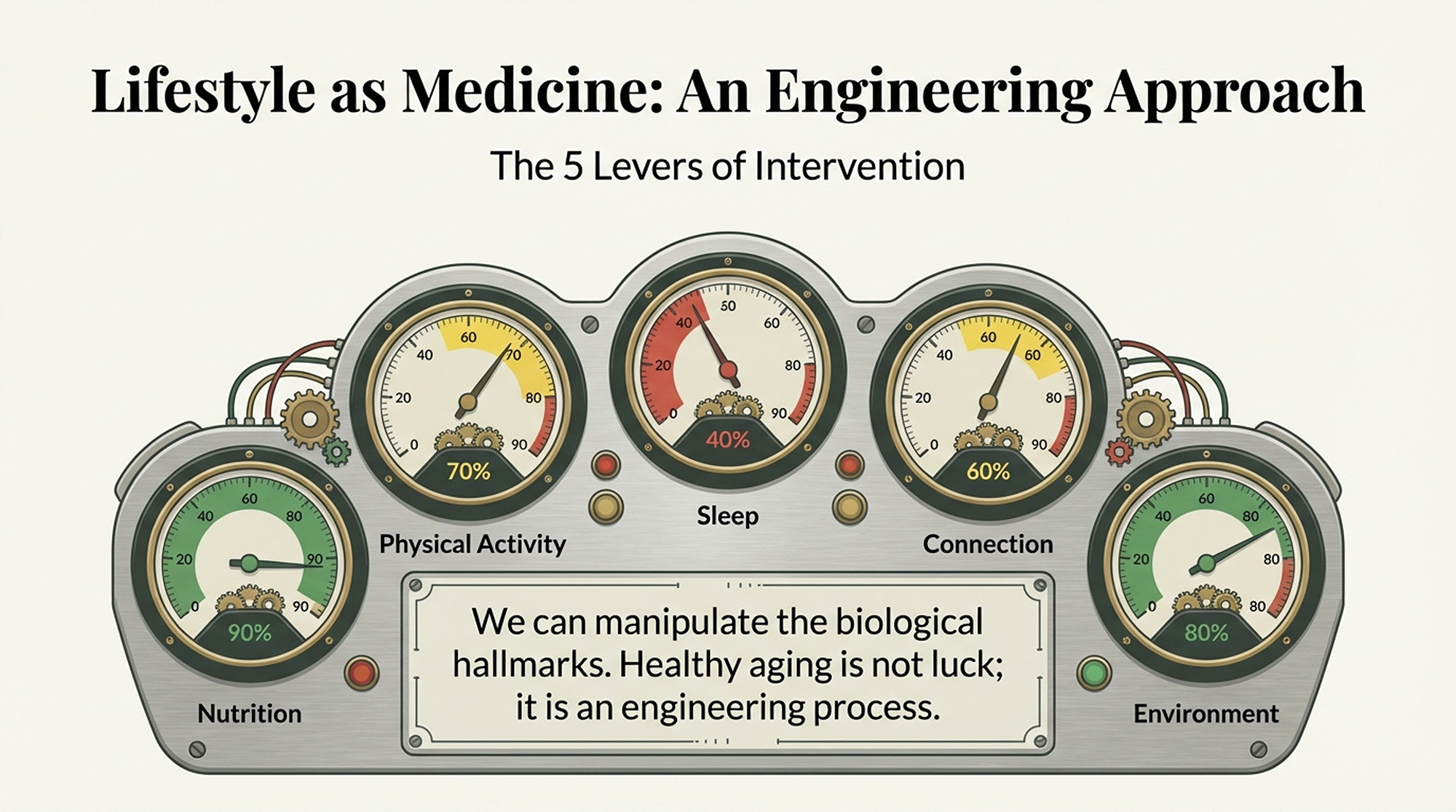
Nutrition, physical activity, social connection, and safe, supportive environments all work together to protect function and independence over time. By sharing expert-led education like this, Health Advocates helps older adults make informed choices that support healthier, more engaged aging. To learn more about this highly informative presentation, please contact info@hafop.org.
Note: All slides courtesy of Dr. Armin Shahrokni